
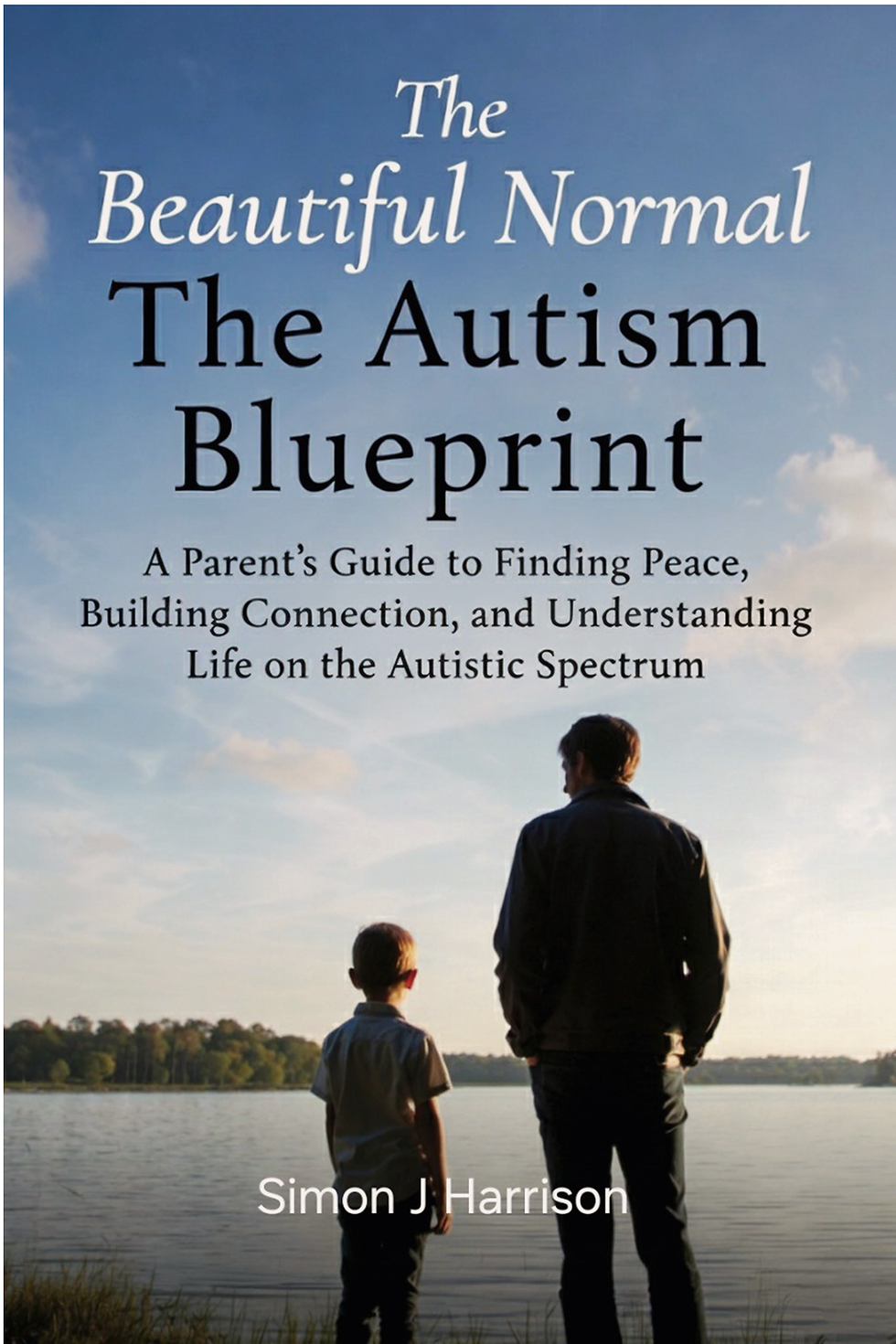
The Beautiful Normal: A New Way to Understand and Support Your Autistic Child

The Beautiful Normal: A New Way to Understand and Support Your Autistic Child
Parenting an autistic child is one of the most profound, exhausting, and transformative journeys a family can experience. Yet most parents step into this world without a map — armed only with love, instinct, and a constant pressure to “fix” what they’ve been told is broken.
The Beautiful Normal challenges that belief.
This book reframes autism not as a deficit, but as a different way of experiencing the world — one that becomes far easier to support once you finally understand the underlying patterns, needs, and neurological realities.
This is not a clinical manual.
It’s a compassionate, practical guide for parents who are tired of guessing and ready for clarity.
Why This Book Matters
Many parents spend years trying to interpret behaviours that seem confusing or contradictory:
Why does my child melt down over tiny changes?
Why do they seem “fine” at school but fall apart at home?
Why do they struggle to follow instructions even when they’re very intelligent?
Why does communication feel like we’re speaking different languages?
You’re not imagining it — and you’re not failing.
Your child simply has a different operating system.
The Beautiful Normal shows you how to read it.
What This Book Helps You Understand
1. Decoding the Internal Experience
Autism is often described in external behaviours. But this book goes deeper.
You’ll learn about the cognitive, sensory, and emotional processes happening inside your child — including:
The Smart-But-Struggling paradox
Executive function overload
Cognitive load and shutdowns
Rigid thinking and anxiety loops
Once you understand the “why,” the behaviours suddenly make sense.
2. Mastering Meltdowns and Sensory Distress
Meltdowns aren’t defiance — they’re neurological overload.
This book helps you:
Understand the 8 sensory systems
Identify hyper- and hypo-sensitivities
Use Functional Behaviour Analysis to find the root cause
Spot early warning signs before the volcano erupts
Instead of reacting to crises, you’ll learn how to prevent them.
3. Bridging the Communication Gap
Autistic communication and neurotypical communication work differently — leading to the Double Empathy Problem.
You’ll discover:
Visual communication tools
Predictable routines
Low-demand language
Scripts and scaffolding that reduce stress and conflict
These tools create understanding without pressure — for both you and your child.
4. Navigating the UK EHCP with Confidence
For UK families, the book provides a step-by-step guide through the EHCP process, including:
Defining needs (Sections A–E)
Securing provision (Sections F–I)
Evidence, wording, and common pitfalls
How to advocate effectively
Instead of being overwhelmed by the system, you’ll know exactly what to ask for.
A Guide That Helps Parents Breathe Again
Perhaps the most important part of The Beautiful Normal is its focus on you — the parent.
You’ll find strategies for:
Parental burnout
Crisis management
Building your support network
Letting go of guilt and impossible expectations
This book reminds you that you deserve peace, too.
A Philosophy of Radical Acceptance
At its heart, The Beautiful Normal teaches a simple but powerful truth:
Your child isn’t broken.
Your parenting isn’t failing.
You’re simply speaking different neurotypes — and learning each other’s language is what transforms everything.
Autism becomes far easier to support when you stop fighting it and start understanding it.
Who This Book Is For
✔ Parents of autistic children
✔ Newly diagnosed families
✔ Parents navigating meltdowns, anxiety, and school struggles
✔ Families beginning the EHCP journey
✔ Anyone wanting a deeper, more compassionate understanding of autism
If you’ve ever wished there was a clear guide to help you understand your child’s inner world — this is it.
Start Your Journey Toward Clarity and Connection
The Beautiful Normal gives you the roadmap no one hands parents at diagnosis.
It will transform how you see your child, how you support their needs, and how you build a calmer, more connected family life.


Comments